
シビアサービス向けコントロールバルブ

Fisher のシビアサービス向けコントロールバルブは、あらゆる用途でプロセス性能を最適化します。

シビアサービスバルブとは何ですか?

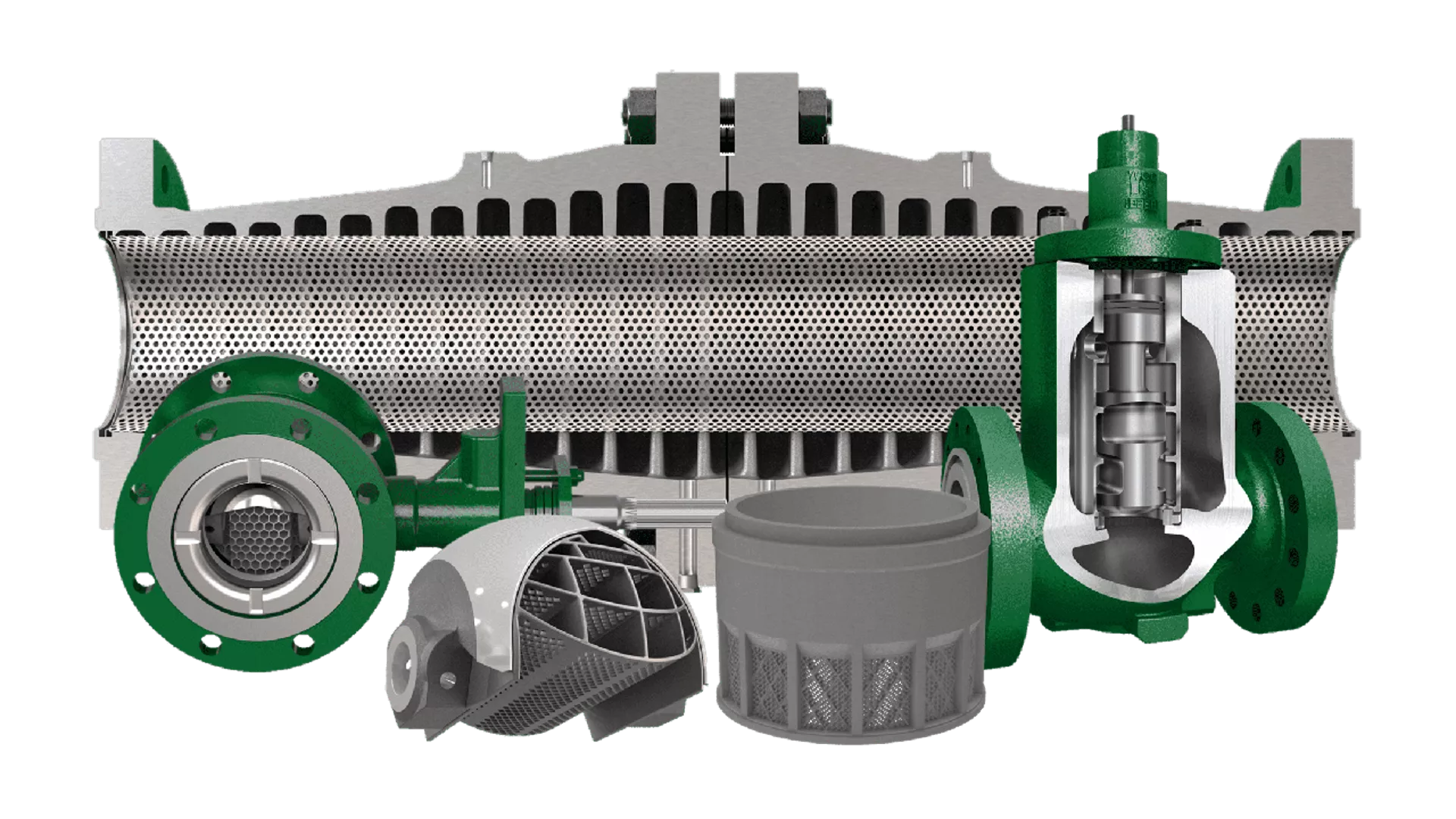
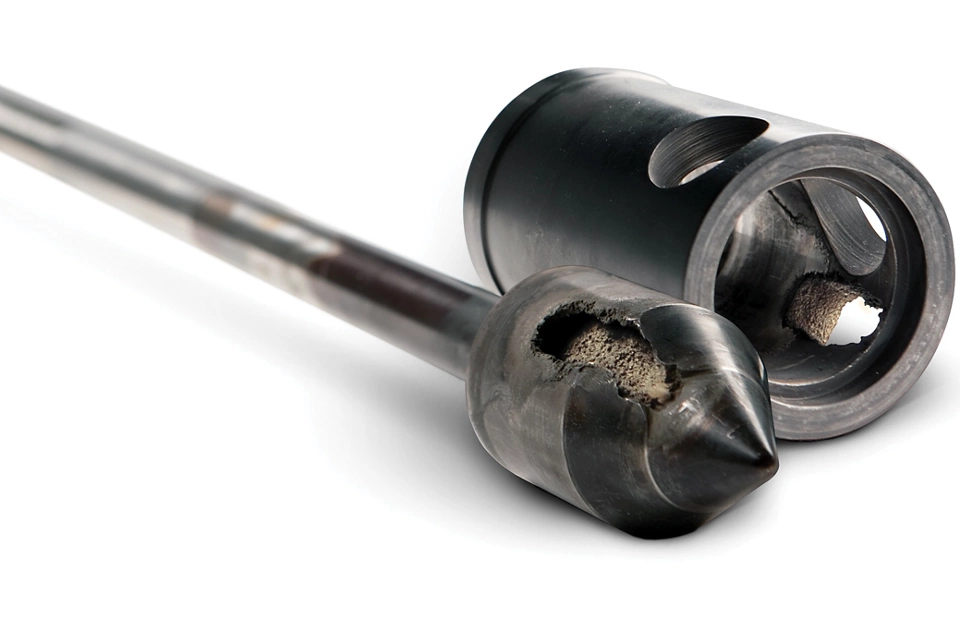
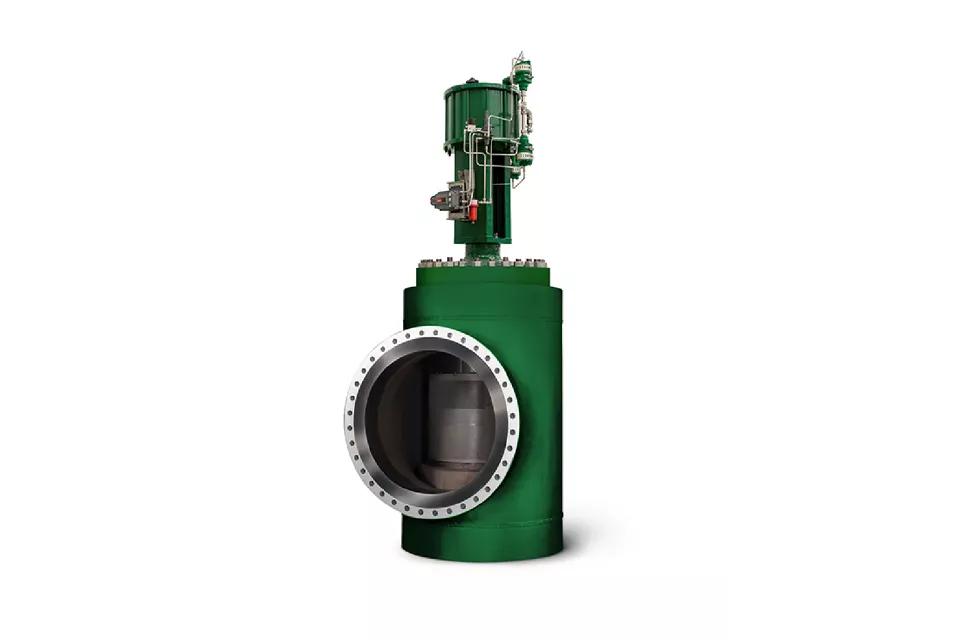
シビアサービスバルブは、プロセスプラント内の最も困難な設置場所で使用されます。 このバルブには、一般に、キャビテーション、侵食性、腐食性、騒音、高圧、高温、高差圧、または高流速の条件が含まれます。 これらの過酷な条件下での寿命を最大限に延ばすために、シビアサービスバルブは通常、硬い材料、温度や圧力の極端な変化に耐える材料、特別な流路を持つボディ、大容量のボディ、および独自の流路を持つケージを使用します。 シビアサービスバルブは、重要サービス向けであってもそうでなくても、プラントの運転に不可欠です。
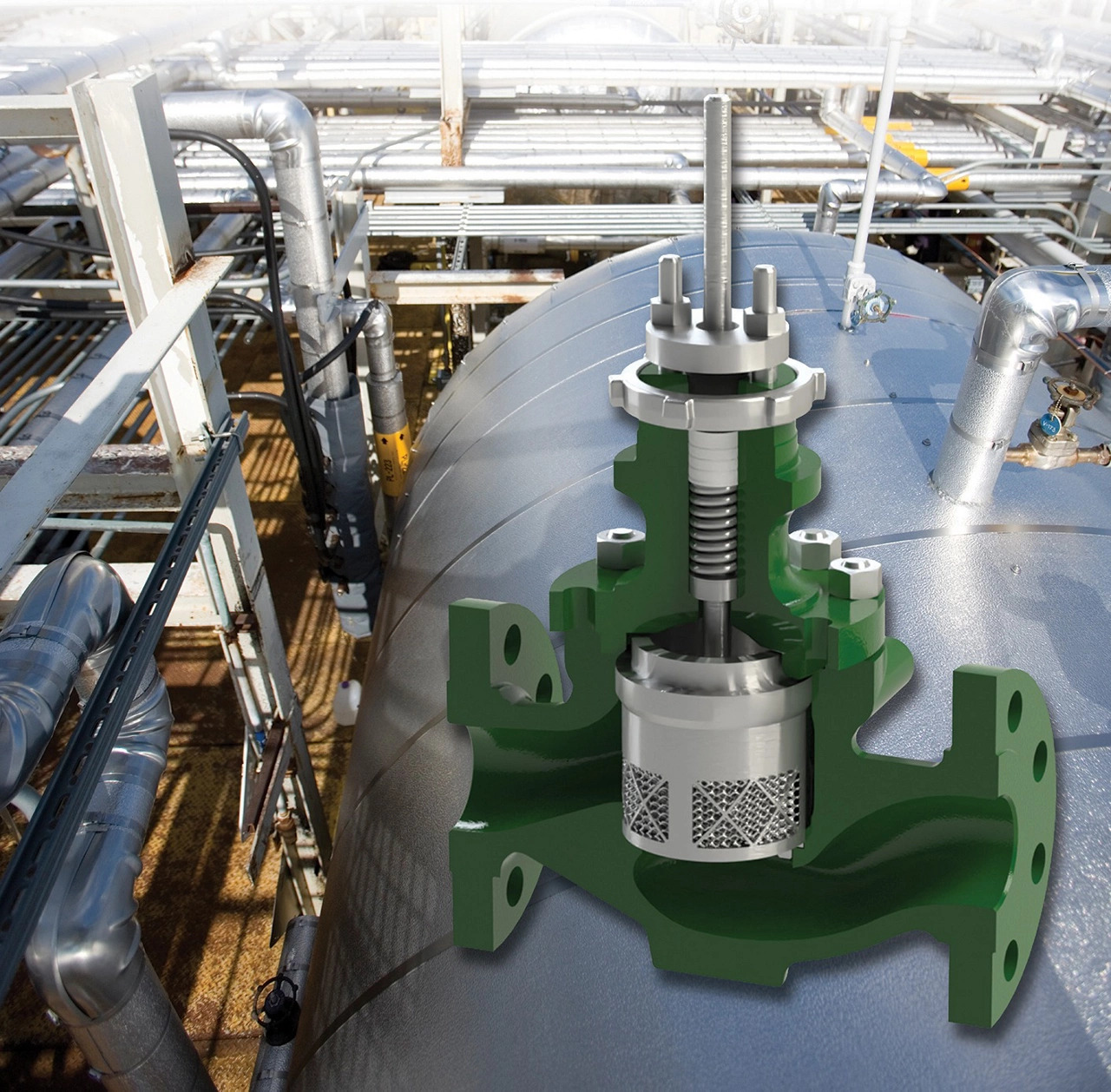

Severe Service Control Valves

幅広いポートフォリオ

エマソンの幅広いコントロールバルブソリューションは、お客様のシビアサービス向けバルブのニーズに対応します。

Fallback image

Go slove Go Boldly™

これらの製品を使用して、最も困難なアプリケーションの課題を解決し、バルブ フリートとの連携方法を変革しましょう。
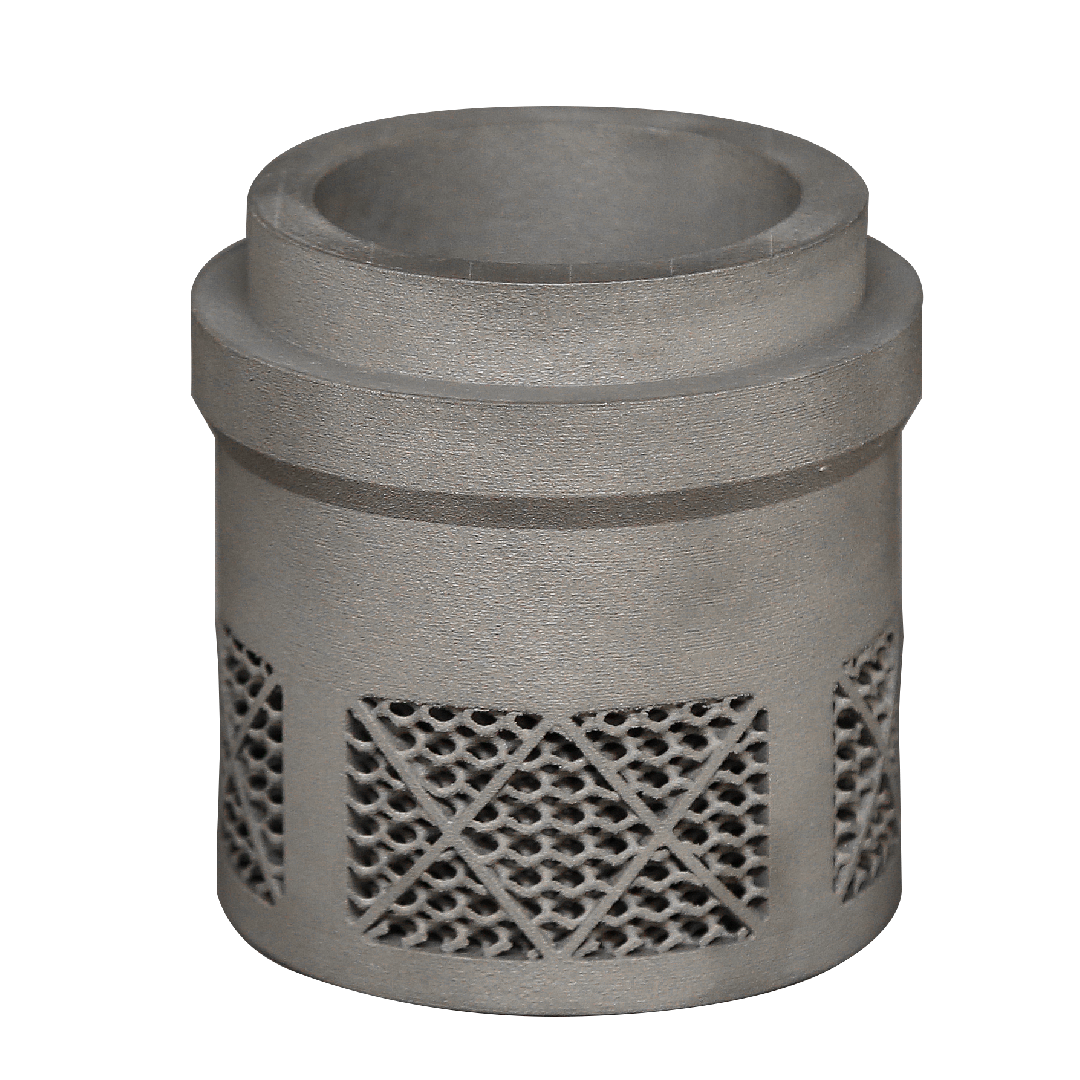
おすすめの Fisher™ シビアサービス向け製品

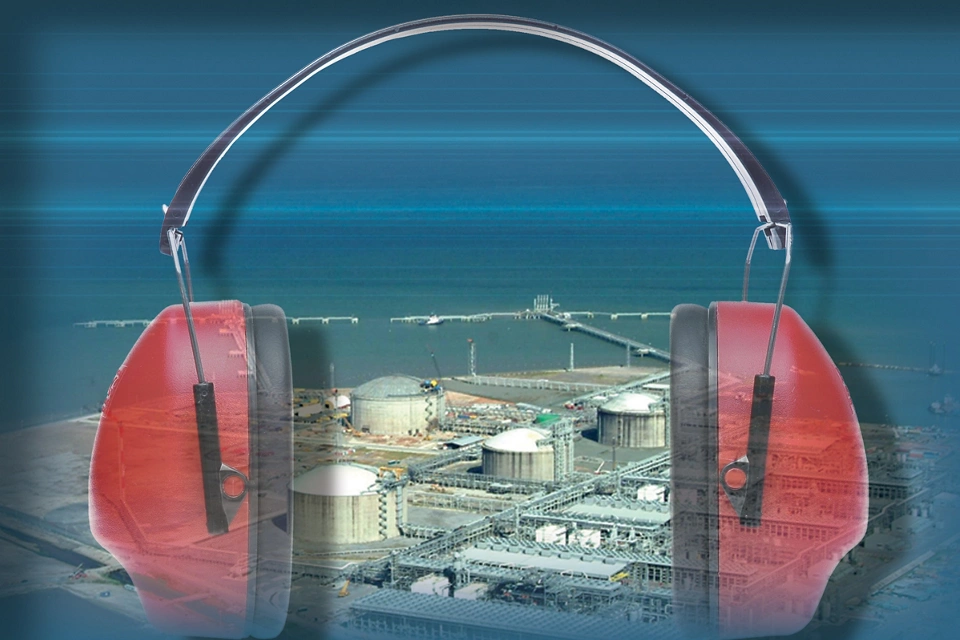
騒音対策バルブトリム

Fisher™ Whisper™ NXG トリム

最大限の容量を確保しながら騒音対策するメリット。

Media

リソース

シビアサービス向けコントロールバルブのアプリ

Apps on Severe Service Control Valves
アプリ

Fisher シビアサービス向けアプリ

グローブ・バルブ・サイジング・ツールとシビアサービスの情報にアクセスできます。

バルブと世界の関わり方の変革

エマソンでは、産業用途で設置されたバルブと世界中のエンドユーザーとの関わり方を変革する、新たな革新的ソリューションを提供しております。 これらのソリューションは、4 つの主要な領域にグループ分けされています。

シビアサービス用途

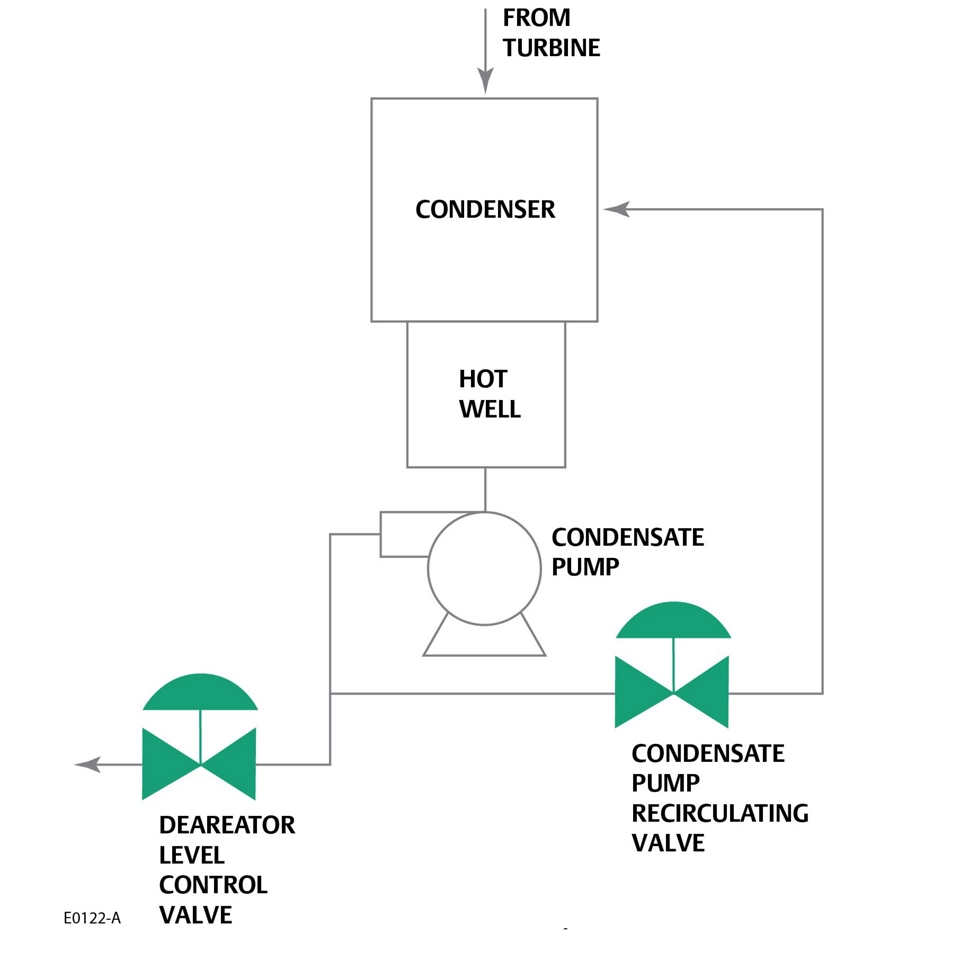
Condensate Recirculation

Power Industry Applications

At the end of a steam power cycle the water is condensed back to liquid form. A centrifugal pump then moves this water through heaters back toward another pass through the boiler. All centrifugal pumps have a minimum flow rate through the pump to avoid overheating and cavitation. Valve controls bypass flow from pump outlet back to some lower pressure point, this bypass flow prevents overheating and cavitation. The valve must be selected to prevent or withstand cavitation.


Industrial steam generation and commercial electric-power boilers must be filled with water to a required level and then that level maintained during firing or heating of the boiler to generate steam.  The water flow requirements prior to steam generation are controlled by a startup valve. Filling the boiler, maintaining water level during startup, and transferring load control to the main feedwater regulator are duties of the startup control valve. Initial conditions will require cavitation and fine flow control from the startup valve over a wide range of flow and pressure conditions.


Feedwater pumps impart high energy in terms of flow and pressure to the water going to a boiler. Centrifugal pumps require a minimum flow rate to maintain stable operation and avoid internal cavitation. When system conditions limit the flow rate below the pump minimum, a control valve allows bypass flow from the pump outlet back to the system upstream of the pump. The system flow rate is accomplished and the pump health is maintained. The valve itself must be selected to control pressure drops (example 6000 psid) while preventing cavitation.


Heat transfer inside a boiler is hindered by combustion products attached to the boiler surfaces. Soot blowers utilize system steam to blow those materials off the surfaces and thus maintain boiler efficiency. These valves take main steam sources and reduce the pressure while controlling flow in order to accomplish the main task without creating damaging noise and vibration.


During startup, shutdown, and emergency conditions the steam normally sent to the turbines is bypassed through these valves to condenser or atmosphere. This allows power delivery from the turbines to be curtailed and the steam recycled. The valve must provide noise reduction, high flow and pressure drop capability, while being suitable for large temperature differences.


This valve recycles flow through the primary ethane pump when needed to prevent cavitation. It is used most commonly in commissioning and startup as the unit is brought up to full capacity. Anti-cavitation trim is nearly always required due to the elevated pressure drop across the primary pump. Micro trims may be required as well to address low flow requirements.


This valve is a high pressure vent to flare header valve that is operated under emergency conditions. If the pressure in the separator increases above the set point, it's relieved to safeguard the separator. These valves are subjected to very high pressure drops, resulting in high levels of aerodynamic noise. Globe style valves with attenuating trims are commonly required to mitigate noise and potential vibration.

Water Injection (Water Flood)

Hydrocarbon Industry Applications


Water injection pumps deliver large flow rates at high pressures for enhanced oil recovery. The water is injected into the oil formation at key locations to maintain the formation pressure and drive the oil toward the production lines. Careful control of the pressure and flow is required to maintain this without damaging the water-oil interface. Valve arrangements allow the bypass to either go overboard or to a produced water reservoir. Centrifugal pumps require a minimum flow rate to maintain stable operation and avoid internal cavitation. When system conditions limit the flow rate below the pump minimum, a control valve allows bypass flow to maintain the minimum flow and prevent pump damage. The valve must handle the associated cavitation potential.


Converting raw hydrocarbon liquids into motor fuels and basic chemicals for manufacturing require many separation steps. Heat, pressure, and catalysts are used to accomplish this separation inside large vessels. Valves control the flows and pressures for these vessels. Frequently flows coming out take a pressure drop across the valve causing a further separation of liquid and gas. This separation is rapid and must be controlled by the valve. Special valve constructions accommodate compressible noise, liquid induced erosion, and potential corrosion while throttling the flow.


Amines and similar chemicals are frequently mixed with raw industrial gases to remove acid gas (H2S, CO2) as in preparing raw natural gas for use in refining processes. The amine liquid takes the acid gases into solution. A control valve lowers the pressure of the amine / acid solution and the acid gases come out of solution. This is the first step in a closed loop that regenerates the amine liquid for another round of acid gas removal.

Compressor Anti-Surge

Cross-Industry Applications


Centrifugal compressors are dynamic machines, the gas is compressed by high-speed, rotating impellers. Slow changes in flow and pressure demand can be accomplished by changing the compressor speed. Compressor inertia prevents rapid changes of the operating flow and pressure, so a special valve controls bypass flow from the compressor outlet to the inlet providing both rapid process control and surge prevention in the compressor.


During initial operation of the HRSG, the steam is vented through sky vent valves and vent silencers. This keeps the hot steam away from the turbine bypass valves, which could develop high stress levels due to the temperature differential. Once the unit is running, the sky vent valves must provide excellent shutoff to maintain high steam utilization and production from the turbines.

よくある質問

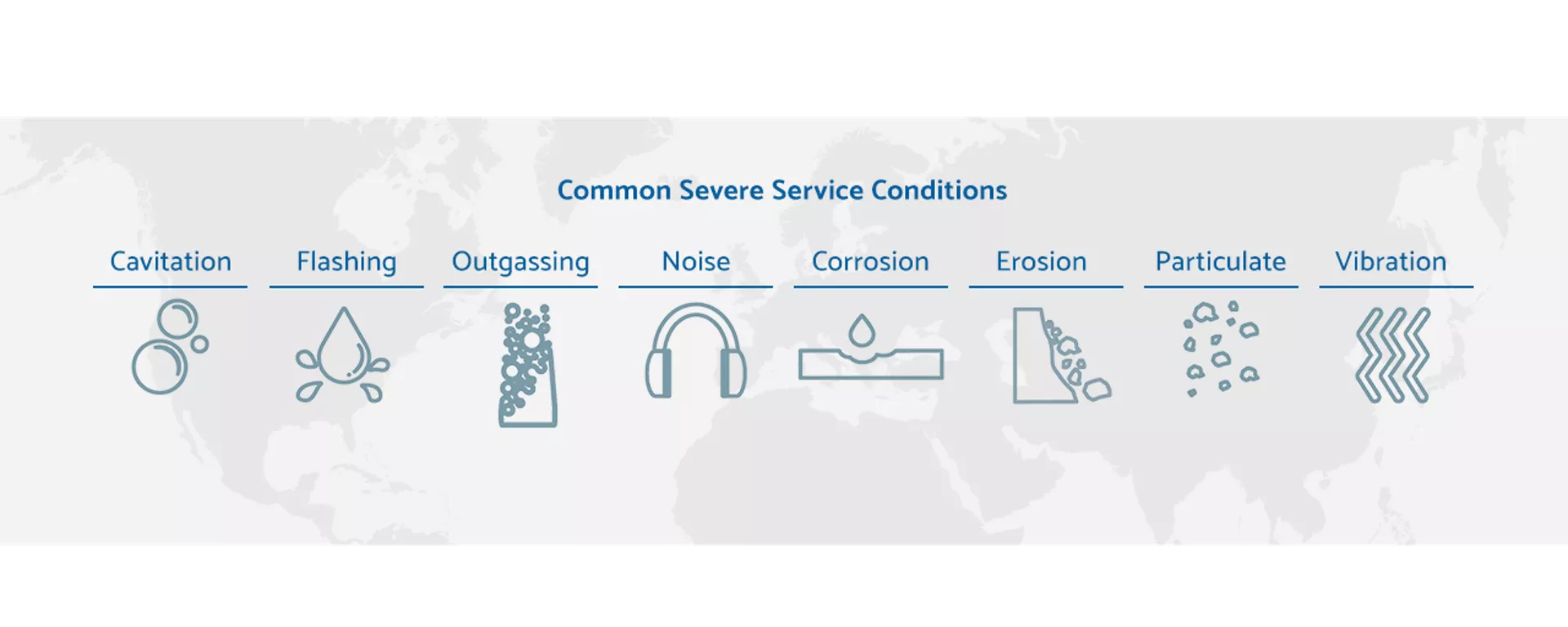
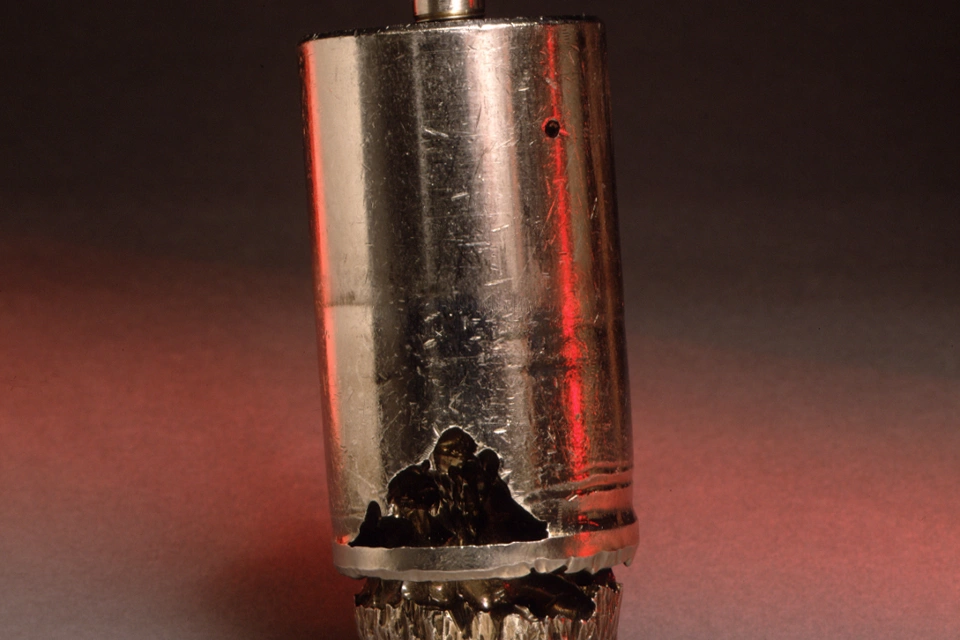
シビアサービス向けコントロールバルブは、プロセスプラントで最も難易度の高い設置条件で活躍しています。 これらの用途には一般的に、キャビテーション、フラッシング、アウトガス、侵食、腐食、騒音、振動などが含まれており、適切に選定されていない場合、バルブおよび/またはシステムの損傷を引き起こす可能性があります。

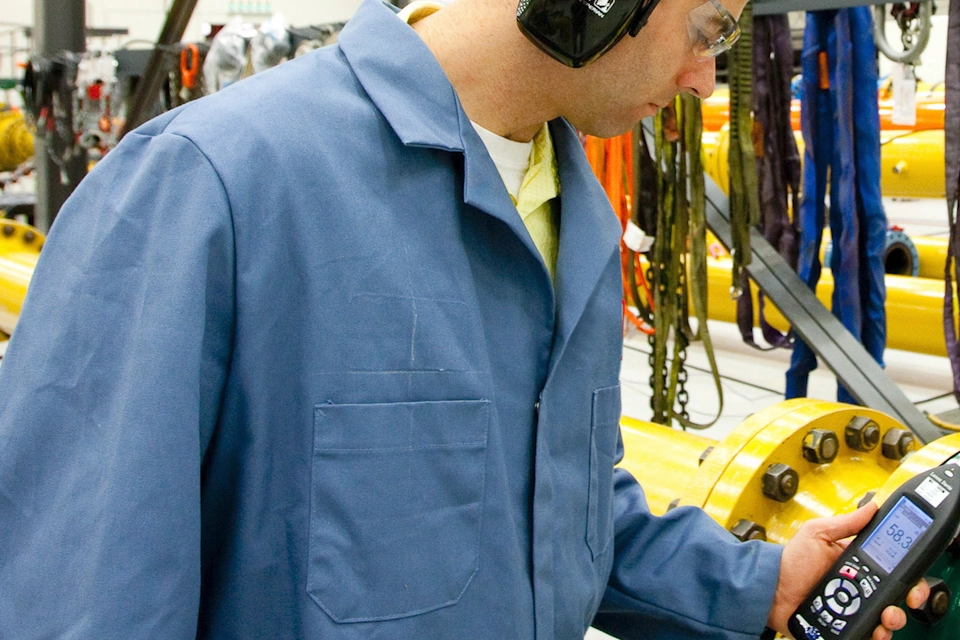
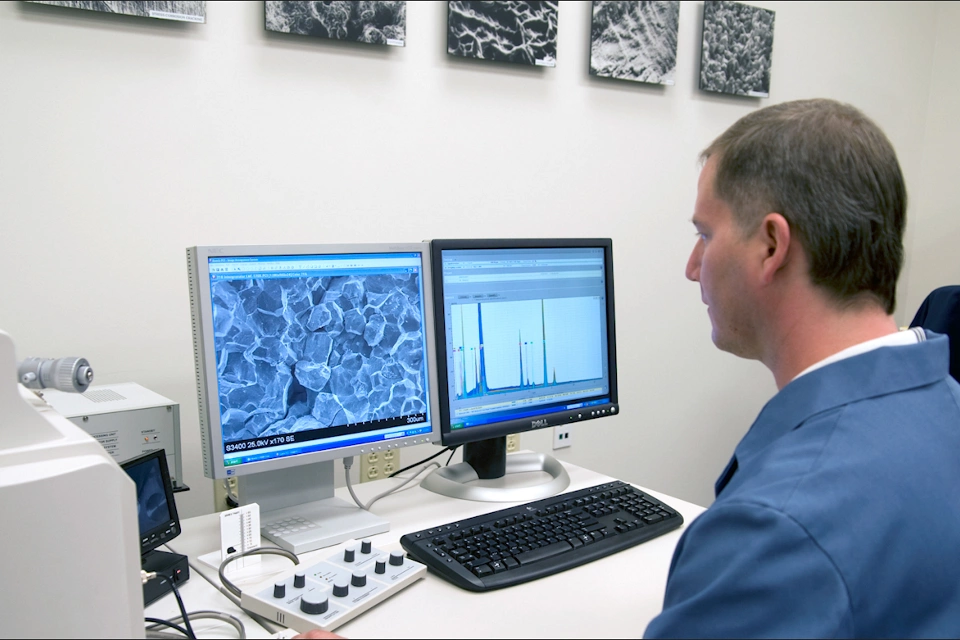
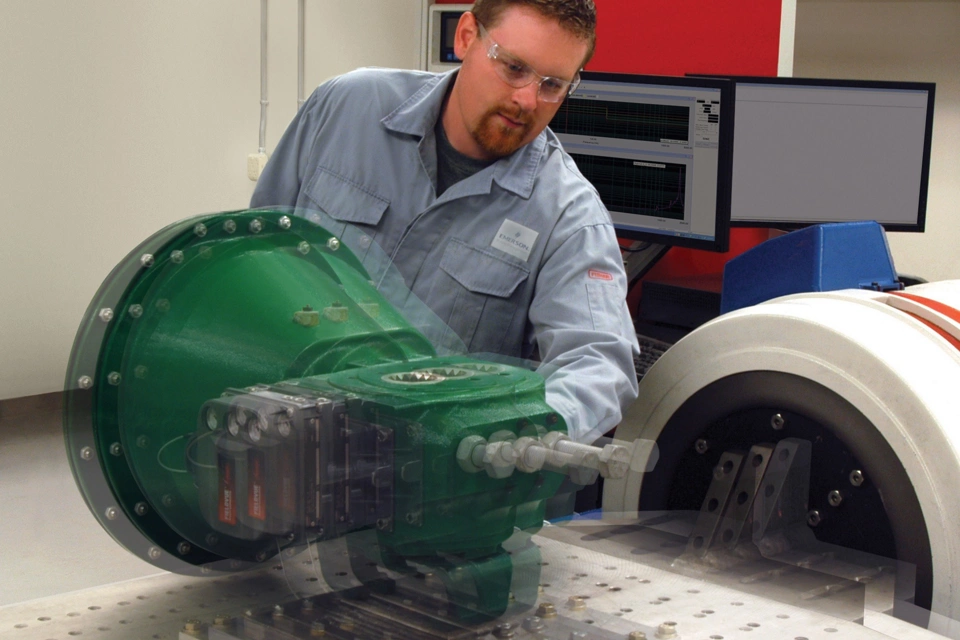
エマソンは、最先端のフローラボで、広範な流量モデリング、応力計算、材料分析、および騒音と信頼性のテストを通じて、シビアサービスバルブを設計しています。

シビアサービス向けコントロールバルブは、プロセスの大きな混乱やプラントの効率低下を避けるために、最も過酷なプロセス環境にも対応できるように設計されています。